
Amirhossein Ebadi
Founder & Chief Marketing Officer

Unlock financial freedom with 15 proven passive income strategies tailored for 2025. Whether you have capital to invest or skills to monetize, this guide breaks down real-world opportunities—from creating digital products to renting out storage space—complete with implementation steps and realistic earning potential.

More people are discovering automated passive income strategies to build financial security beyond traditional employment. With U.S. inflation running at 2.4% as of late 2024, creating additional revenue streams has become essential for protecting your purchasing power.
Passive income generates money without constant active work to maintain it. Your day job pays you once for your time. These income sources keep producing cash flow with minimal ongoing effort. Online course creators earn $3,000 monthly after just six months. Turo hosts make $800 monthly from a spare car. The numbers speak for themselves.
These revenue channels can supplement retirement savings or replace your full-time income entirely. Building them requires significant upfront investment—time, money, or both. Dividend stocks yield anywhere from less than 1% to over 6%. REITs must distribute at least 90% of their income to shareholders. The options vary dramatically in requirements and returns.
We'll examine 15 proven passive income methods for 2025. Each includes real-world examples and practical implementation steps. Whether you have $700,000 to invest or want to monetize existing skills and assets, there's a strategy that fits your situation.
Digital products represent one of the most accessible passive income opportunities in 2025. The digital media market projects USD 560 billion by the end of 2024, creating opportunities for creators at every experience level.
Digital products are intangible goods delivered electronically to customers worldwide. Templates, online courses, ebooks, stock photos, digital art, printables, mobile apps, and membership sites all qualify. Unlike physical products, you avoid inventory management, shipping costs, and warehouse space requirements.
Digital products deliver impressive profit margins—typically 90% after fees since recurring costs stay minimal after creation. The digital product market size projects USD 26.06 trillion by 2034, signaling massive growth potential ahead.
Key advantages include:
Launch your digital product business:
Start with bite-sized product ideas to avoid burnout. Expand your offerings once you understand what your audience values most.
Successful creators begin with free lead magnets to build email lists before transitioning to paid products. This establishes trust before monetizing expertise.
Online course creation represents a scalable business opportunity with the global eLearning market projected to reach USD 370 billion by 2026. Few passive income methods match the profit margins and automation potential of well-designed educational products.
An online course delivers structured learning programs entirely through the internet, typically consisting of pre-recorded or live lectures, discussions, assignments, and assessments. These digital education products allow students to learn at their own pace from anywhere with internet access. Courses range from quick skill-building tutorials to comprehensive multi-module programs based on your expertise and audience needs.
Online courses generate 70-90% profit margins compared to physical products with slim margins. 93% of global companies are switching to online learning, creating massive market demand for quality educational content. Smart workflow management tools help course creators automate student enrollment, content delivery, and progress tracking.
The economics work because once built, delivering your course to additional students costs essentially nothing. You can sell to one person or thousands with no extra delivery costs. This scalability makes online courses powerful passive income generators.
Key advantages include:
Building your first profitable course:
The upfront effort focuses on creating quality content and marketing systems. The long-term passive income potential makes online courses among the most rewarding financial freedom strategies for 2025.
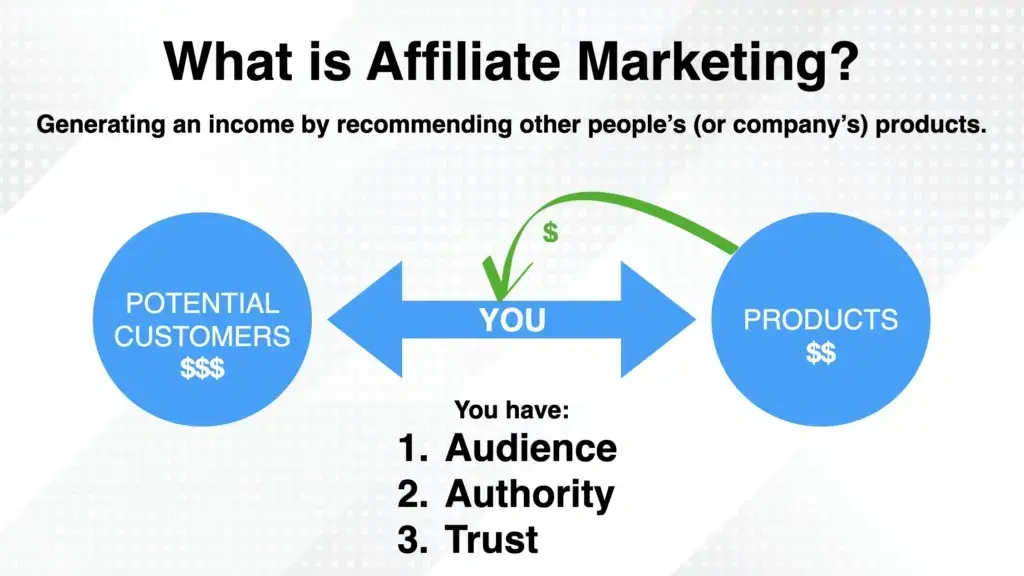
Affiliate marketing offers one of the most accessible entry points into passive income for 2025. The industry now generates $12.00 billion with minimal barriers to entry yet substantial earning potential for committed marketers.
Affiliate marketing means earning commissions by promoting other companies' products or services. Someone clicks your unique tracking link and makes a purchase—you receive a percentage of that sale. You operate as an independent marketer recommending products you trust, earning rewards for successful referrals. No employment relationship with the company required.
The performance numbers tell the story. Over 15% of affiliate marketers earn more than $50,000 annually. More than 80% of businesses run affiliate programs actively seeking promoters. Commission structures range from 3-7% for physical products to flat fees exceeding $100 per sale. ClickBank alone has distributed over $7.10 billion in affiliate commissions across 27 years.
Key advantages include:
Your affiliate marketing foundation:
Success requires patience and consistency. Focus on genuine value rather than quick commissions.
Unused assets around your property can generate consistent monthly income. The equipment rental industry is projected to reach USD 58.49 billion by 2029, up from USD 42.64 billion in 2022.
You allow others to temporarily use your vehicles, tools, equipment, or other physical assets for a fee. Peer-to-peer platforms handle the entire process. Cars rent through services like Turo. Equipment lists on platforms like Fat Llama, Spinlister, or specialty rental businesses for construction tools, photography gear, or baby items.
Cars on Turo earn an average of USD 906.00 per month. Owners keep 70% of vehicle earnings—approximately USD 634.00 monthly.
Key advantages:
The approach requires managing additional wear and the rental process.
Begin renting your assets:
Verify renter identities and implement tracking solutions for safety.
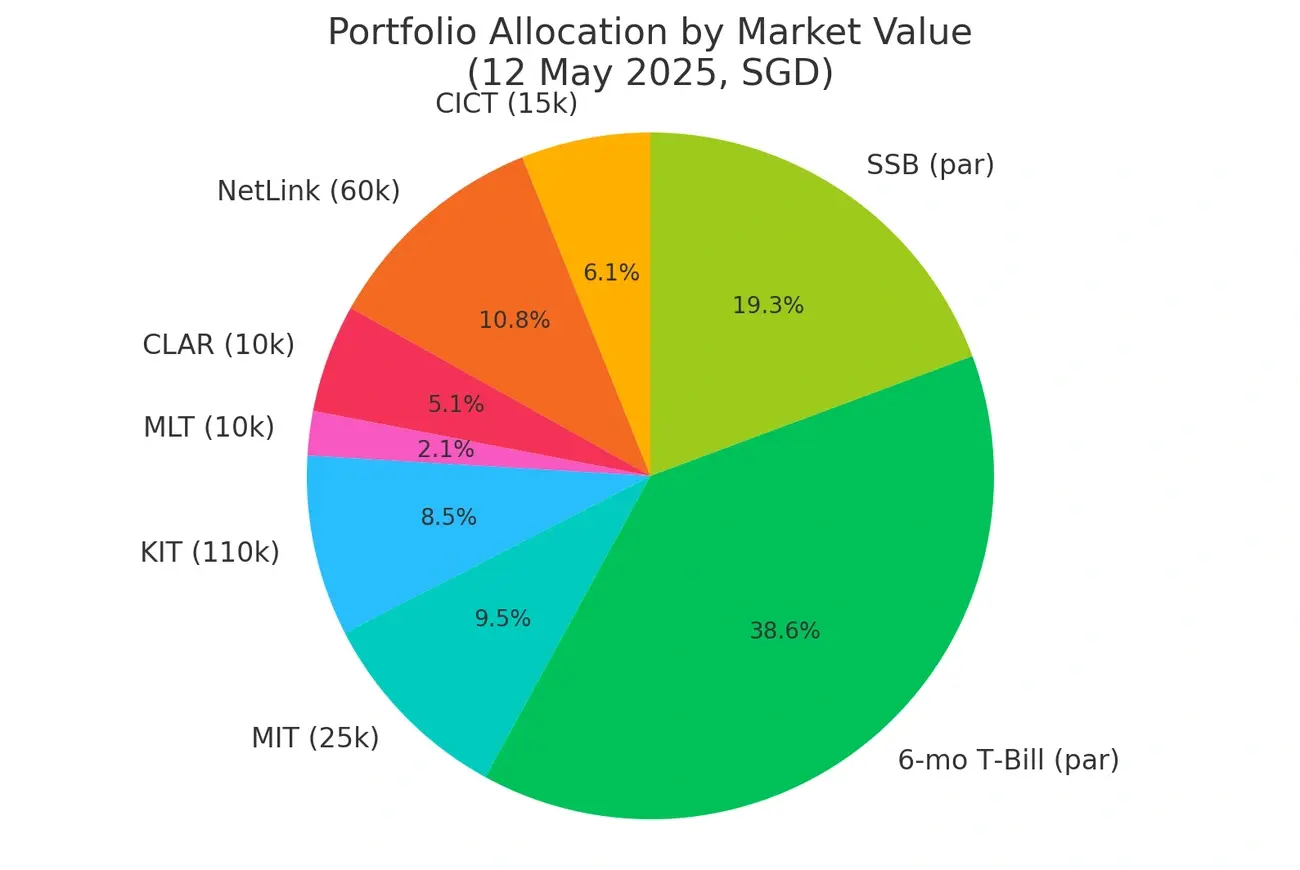
Dividend stocks provide a time-tested approach to building passive wealth. Blue-chip companies have rewarded shareholders for decades, creating reliable income opportunities for patient investors.
Dividend stock investing means purchasing shares in companies that distribute portions of their profits to shareholders through regular payments. These payments typically occur quarterly, although some companies pay monthly, semi-annually, or annually. Dividends create genuine passive income—actual cash flow from businesses into your investment account without selling assets.
Companies with consistent dividend histories represent established businesses with steady cash flows. Historical data shows dividend-paying stocks have outperformed non-dividend stocks in total return over time.
The numbers prove the strategy's effectiveness. A hypothetical $10,000 investment in an S&P 500 index fund at the end of 1993 would have grown to more than $182,000 by 2023 with dividends reinvested, versus only $102,000 without reinvestment. Over 80% of large-cap stocks in the S&P 500 currently pay dividends.
Dividend aristocrats have raised dividends for at least 50 consecutive years, demonstrating extraordinary financial stability. This track record indicates businesses that prioritize shareholder returns through market cycles.
Build a successful dividend portfolio with these criteria:
Analyze the dividend payout ratio (dividends as percentage of earnings) and dividend growth rate to identify sustainable opportunities. This approach requires patience but delivers increasing passive income streams that can last decades.
YouTube offers creators multiple ways to generate passive income once their channels gain momentum. Content creators report making $9.66 per 1,000 video views. Others generate over $7,000 from a single video.
A YouTube channel lets you create, upload, and manage video content on the world's second-largest search engine. You can feature traditional on-camera content or use "faceless" approaches like voiceovers, screen recordings, or stock footage with narration. YouTube's algorithm prioritizes watch time and click-through rate above everything else.
YouTube provides multiple income sources:
The platform rewards consistency and quality content. One successful creator notes her first imperfect videos built an audience that eventually produced substantial passive income. You don't need millions of subscribers—smaller channels with targeted niches often achieve strong results.
To launch your YouTube presence:
Track performance data and focus on winning content formats. You can expand into merchandise or digital products once you've established your audience.
Stock photography platforms provide creators with direct access to global marketplaces where businesses pay for visual content. Top contributors earn between $20 to $700 per photo, creating scalable income streams from visual assets.
Stock photography means creating and uploading high-quality images to specialized marketplaces where businesses, publishers, and content creators purchase usage rights. Platforms like Shutterstock, Getty Images, and Adobe Stock handle the entire sales process—marketing, transactions, and licensing—while paying photographers a commission from each sale. Your portfolio can include lifestyle shots, landscapes, business imagery, or niche content, with each image potentially generating income for years.
The economics are straightforward. Once uploaded, images sell repeatedly with zero additional effort. Shutterstock alone has paid contributors over $1 billion in the past 15 years. Successful photographers report earning $4,200 monthly from approximately 9,500 images across multiple platforms.
Key advantages include:
Results vary significantly based on content quality and market demand.
Begin by researching top platforms—Shutterstock, Adobe Stock, Getty Images—and understanding their submission requirements. Create diverse, high-quality images focusing on in-demand niches like technology, lifestyle, and business content. Authenticity sells better than traditional "stocky" content.
Consider using services like Wirestock to distribute to multiple marketplaces simultaneously. Optimize each image with detailed keywords and descriptions to improve discoverability. Start with existing photos while building your portfolio systematically.
Patience is essential—many successful stock photographers took years to build sustainable income streams.
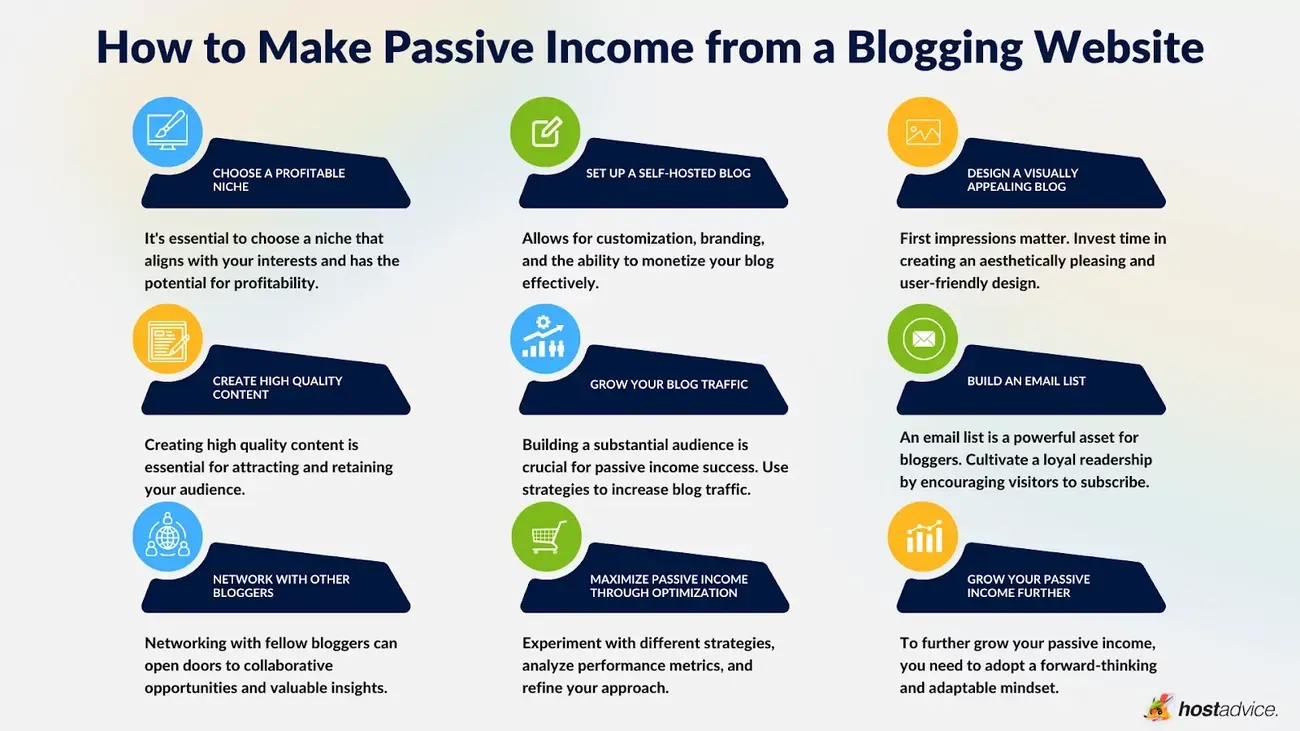
Building a specialized blog creates reliable passive income for creators who understand their audience. Success stories range from USD 7,000 monthly to over USD 8,400 in just nine months for bloggers who focus their efforts.
A niche blog targets a specific topic area instead of covering everything. These specialized sites serve particular audience segments with detailed content that solves their specific problems. The strategy works best when you choose an umbrella theme with 4-5 related sub-topics or content pillars.
Multiple revenue streams make niche blogs profitable: display advertising yields USD 13-17 per 1,000 visitors, affiliate marketing commissions, digital products, membership sites, sponsored content, and related services. The real advantage comes from building authority—readers pay for organized, expert information even when similar content exists elsewhere.
To build your first profitable blog:
eBook publishing delivers consistent passive income with minimal overhead costs. Some authors generate $4,200 monthly from their digital publications.
An eBook is a digital book readers access on computers, smartphones, e-readers, or other devices. Content creators distribute these downloadable files without physical production costs. The eBook market continues expanding, making 2025 an exceptional year for digital publishing.
eBooks create genuine passive income:
Launch your eBook business:
App development represents a technology-focused path to passive income. Mobile applications are projected to generate USD 626.39 billion in revenue by 2030.
Creating an app means developing software for smartphones or tablets. You combine user-focused design with technical implementation to solve problems through digital interfaces. Apps come in two main types: native apps (built for specific platforms like iOS or Android) and Progressive Web Apps (PWA) that blend web and native technologies.
Apps generate ongoing revenue through multiple channels:
The business model works because you build once and earn repeatedly. Successful apps solve three key requirements: consumer needs, business goals, and proper technology implementation.
To develop your first app:
App success requires ongoing improvements and quality maintenance. Platforms update their operating systems regularly.
Real estate investment trusts offer ordinary investors access to income-producing properties without direct ownership headaches. The REIT market delivers reliable passive income through regular dividend payments, making it an attractive option for 2025 investors.
REITs are companies that own, operate, or finance income-generating real estate across various sectors. These investment vehicles pool capital from numerous investors, enabling participation in large-scale property investments without purchasing real estate directly. REITs must distribute at least 90% of their taxable income as dividends to shareholders.
REITs offer impressive dividend yields, typically higher than other dividend-paying stocks. Key advantages include:
Getting started with REITs requires just a few steps:
Consider holding REITs in retirement accounts like IRAs for optimal tax efficiency.
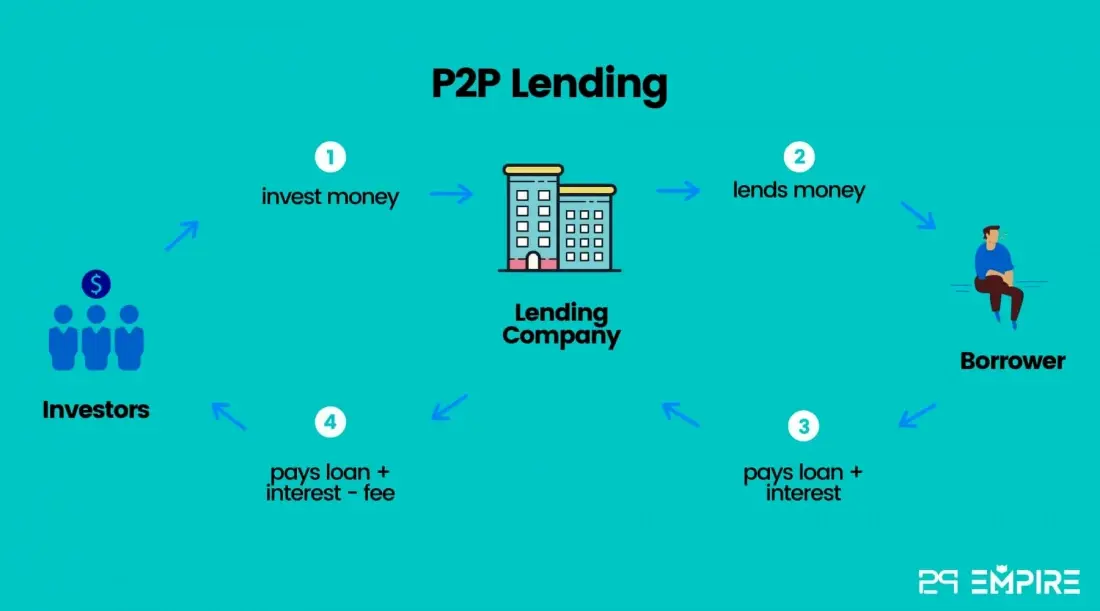
P2P lending eliminates banks from the equation, connecting investors directly with borrowers through online platforms. This creates opportunities for higher returns than traditional savings while maintaining relatively predictable income streams.
Peer-to-peer lending connects you directly with individuals or businesses seeking loans through online marketplaces. These platforms manage the entire lending process—loan applications, credit assessments, and payment collection. Most P2P loans are unsecured personal loans, though secured options exist. You're essentially becoming the bank, earning interest on money you lend out.
P2P lending delivers returns that traditional savings accounts can't match. Investors report earning over 10% annually—significantly higher than current savings rates. The advantages include:
The math works because you're cutting out the middleman. Banks typically pay you 1-2% while lending your money at 8-15%. P2P platforms split that difference more favorably.
Getting started requires minimal setup:
Many successful P2P investors diversify across low, medium, and high-risk loans to optimize returns while limiting default exposure. Start small to understand the platform dynamics before scaling up your investment.
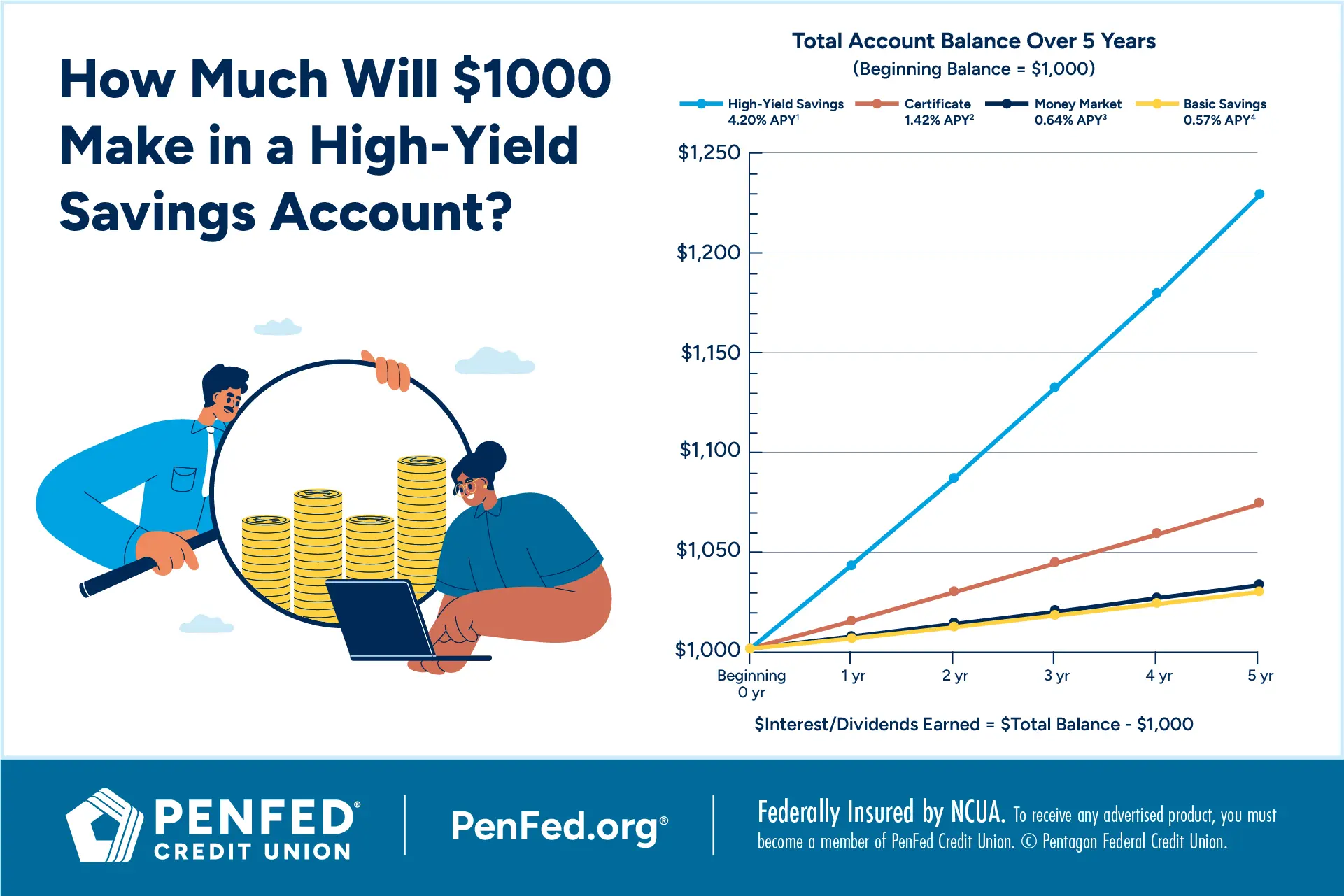
High-yield savings accounts and certificates of deposit represent the safest passive income methods in 2025. These options deliver modest returns with minimal risk and government protection for your principal.
High-yield savings accounts offer interest rates significantly higher than traditional savings—currently averaging 4.5% APY compared to the national average of 0.42%. CDs are time-bound deposits with fixed terms from three months to five years that typically offer higher rates for locking up your money.
The key difference? High-yield savings provide flexible access to funds anytime. CDs impose penalties for early withdrawal.
Both options are FDIC-insured up to $250,000 per depositor, making them extremely safe investments. High-yield accounts offer:
• Higher interest than traditional savings accounts • Easy access to funds when needed
• Potential for rate increases with improving market conditions
CDs deliver:
• Higher fixed rates than savings accounts • Guaranteed returns regardless of market fluctuations • Protection against rate decreases
Getting started with high-yield savings:
Getting started with CDs:
Both options create passive income streams requiring virtually no ongoing management once established.
Empty spaces around your property can generate steady monthly income with virtually no ongoing work required. The self-storage industry stands at USD 58.26 billion and grows 7.5% annually through 2030.
This approach converts unused property areas into rental units for people needing extra storage. Garages, basements, attics, sheds, or closets all work. Peer-to-peer platforms like Neighbor.com connect space owners with renters seeking alternatives to traditional self-storage facilities. These marketplaces handle bookings, payments, and customer support—making the process hands-off for hosts.
The income potential requires minimal effort. Monthly earnings range from USD 100-600 for garages, USD 100-500 for driveways, USD 75-400 for basements, and USD 50-300 for smaller spaces. Most renters visit just 3-4 times per year. Peer-to-peer storage costs run approximately 50% less than traditional storage facilities, ensuring consistent demand.
Getting started takes five simple steps:
Check your local zoning regulations and HOA rules before listing. Consider additional insurance coverage since standard homeowner policies may exclude business activities.
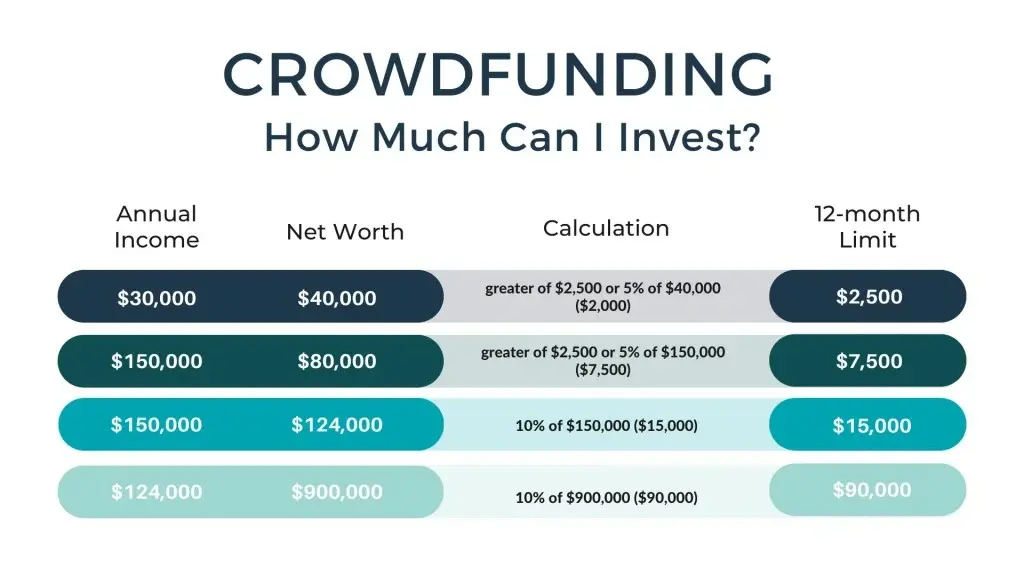
Real estate crowdfunding has opened property investing to ordinary people. Previously exclusive opportunities now welcome smaller investors through online platforms. The global market reached USD 11.50 billion in 2022 and projects growth to USD 161.00 billion by 2030.
Crowdfunded real estate pools money from multiple investors through online platforms to finance property purchases or developments. You can buy shares of individual properties or invest in funds holding multiple properties. Some platforms require as little as USD 10 to start, making real estate accessible without massive capital requirements.
This approach delivers multiple business advantages:
Investment opportunities were once limited to accredited investors—only 8.25% of American adults. Regulation crowdfunding now enables anyone 18+ to participate.
To begin investing:
Real estate investments carry substantial risk, including potential capital loss.
The 15 passive income strategies vary dramatically in startup requirements, earning potential, and time investment. This comparison helps you identify which methods align with your current situation and goals.
Notice how methods requiring immediate capital (dividend stocks, REITs) offer instant income, while content-based strategies (courses, blogs) demand months of upfront work before generating returns. Your choice depends on whether you have more money or time to invest.
Building passive income streams takes patience, but the financial security makes every hour of upfront work worthwhile. We've examined 15 proven methods—each with real earning potential and clear implementation steps.
Your starting point depends on your current resources and skills. Begin with a 5% APY high-yield savings account today, then expand into dividend stocks or crowdfunded real estate as your confidence grows. Someone with photography skills can build toward $4,200 monthly from stock images. Others with unused garage space can generate $600 monthly rental income immediately.
The truth about passive income: it's rarely passive at the beginning. Most methods require substantial upfront effort before becoming hands-off revenue generators. Your initial work pays dividends for years afterward.
Smart entrepreneurs combine multiple streams from this list. Start a niche blog while investing in dividend stocks. Create an online course while exploring peer-to-peer lending opportunities. The key lies in selecting methods that match your strengths and available capital.
These 15 approaches offer reliable starting points regardless of how the passive income landscape evolves beyond 2025. Your journey toward financial independence begins with choosing one method and taking action today.
Ready to start building your passive income portfolio? Pick the strategy that fits your situation best and begin implementation this week.
Q1. What are some effective passive income strategies for 2025?
Some effective passive income strategies for 2025 include creating and selling digital products, launching online courses, affiliate marketing, renting out assets like cars or equipment, and dividend stock investing. These methods can generate ongoing revenue with minimal day-to-day effort once established.
Q2. How much can I realistically earn from passive income sources?
Earnings from passive income sources vary widely. For example, successful online course creators can earn around $3,000 monthly after six months, while top stock photographers report making $4,200 monthly from approximately 9,500 images. Dividend stocks typically yield 3-5% annually, and rental income from storage spaces can range from $50 to $600 per month.
Q3. What are the initial investment requirements for different passive income streams?
Initial investment requirements differ across passive income streams. Digital products and blogging have low startup costs, while dividend investing and real estate crowdfunding require more capital. Online courses and app development fall in the medium range. Some methods, like renting out existing assets, mainly require time investment rather than money.
Q4. How long does it take to start earning passive income?
The time to first income varies by method. High-yield savings accounts and dividend stocks can provide immediate returns, while building a successful blog or YouTube channel may take 6-9 months or longer. Creating and selling digital products or online courses typically requires several months of upfront work before generating consistent passive income.
Q5. Are there any low-risk passive income options for beginners?
Yes, there are low-risk options suitable for beginners. High-yield savings accounts and Certificates of Deposit (CDs) offer modest but guaranteed returns with FDIC insurance. Peer-to-peer lending platforms allow investments starting at $25 per loan portion. Selling digital products on established marketplaces like Etsy or Gumroad can also be a relatively low-risk way to start generating passive income.
Access our exclusive whitepapers, expert webinars, and in-depth articles on the latest breakthroughs and strategic implications of advanced automation and AI.